
Why plant oils feel so at home on skin
A short, honest guide to fatty acids, and why some oils feel rich while others feel weightless.
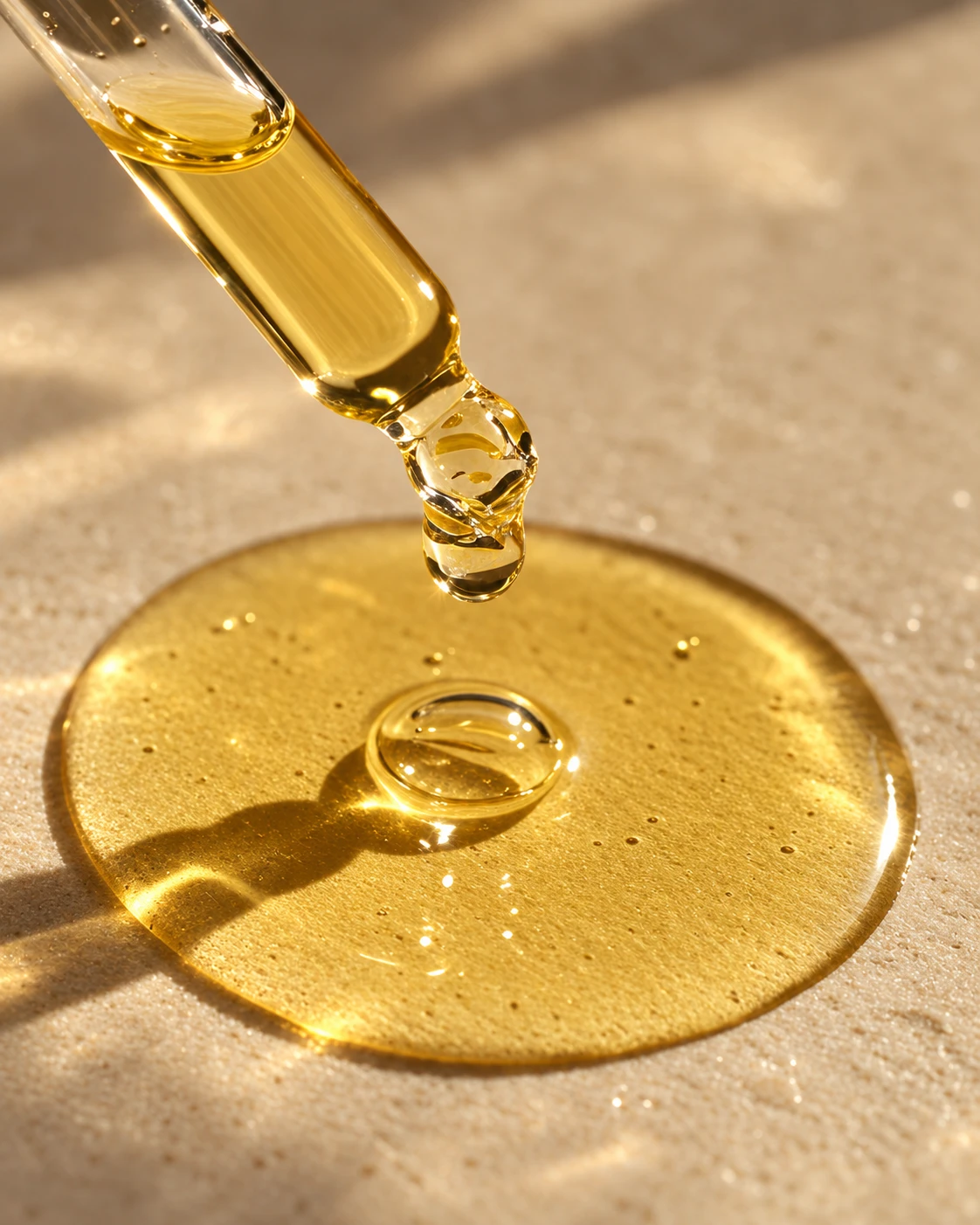
Every plant oil is made mostly of fatty acids. Two families do most of the talking: oleic acid, which gives an oil a rich, cushioning feel, and linoleic acid, which gives an oil a lighter, silkier one.
Skin’s own surface lipids share some of these building blocks, which is one reason plant oils feel familiar when we smooth them on. It is also why a single oil is never the whole answer: skin, climate and season all change what feels right.
Rich or light: a simple way to choose
Oleic-rich oils tend to feel more nourishing and are welcome on dry skin, body and hair ends. Linoleic-rich oils tend to feel fast-absorbing and are a natural choice for the face, especially if you prefer a weightless finish.
An oil does not add water to skin. It softens, seals and comforts, which is why we apply on damp skin.
What “pure” really means
For us, pure means one ingredient, named plainly: the oil itself, cold-pressed from the seed or kernel with nothing added. No water, no fillers, no synthetic fragrance.
This article is educational and cosmetic in nature. It is not medical advice. If you have a skin condition or allergy, please consult a professional and patch-test before use.
Keep reading
All articles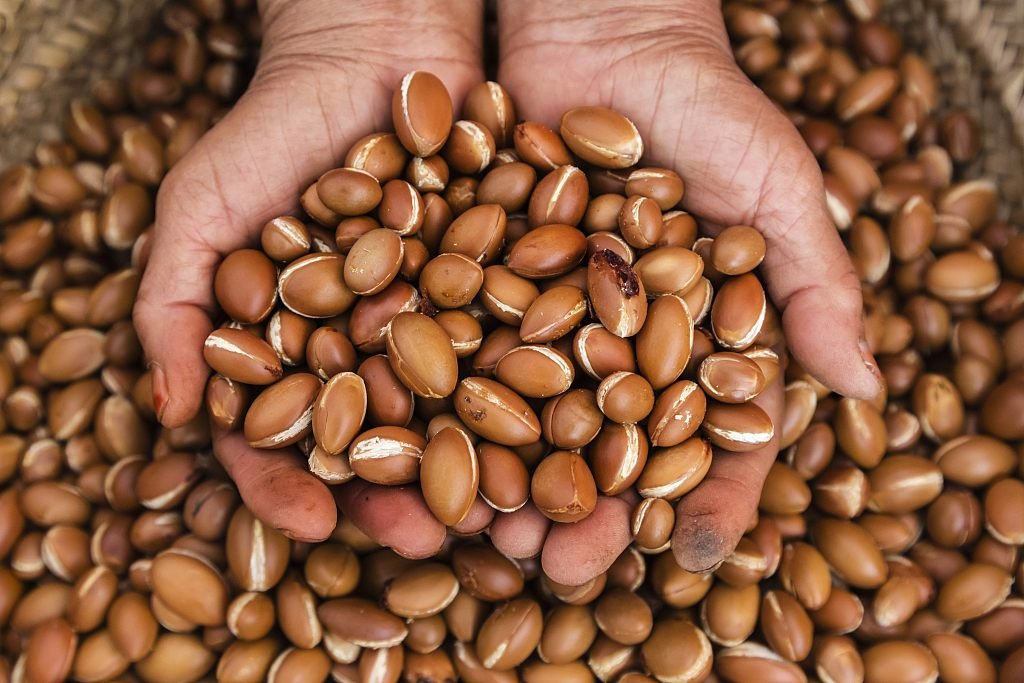
Argan, from the Souss valley
A tree that grows almost nowhere else on earth, and the hands that turn its kernels into oil.
Read the article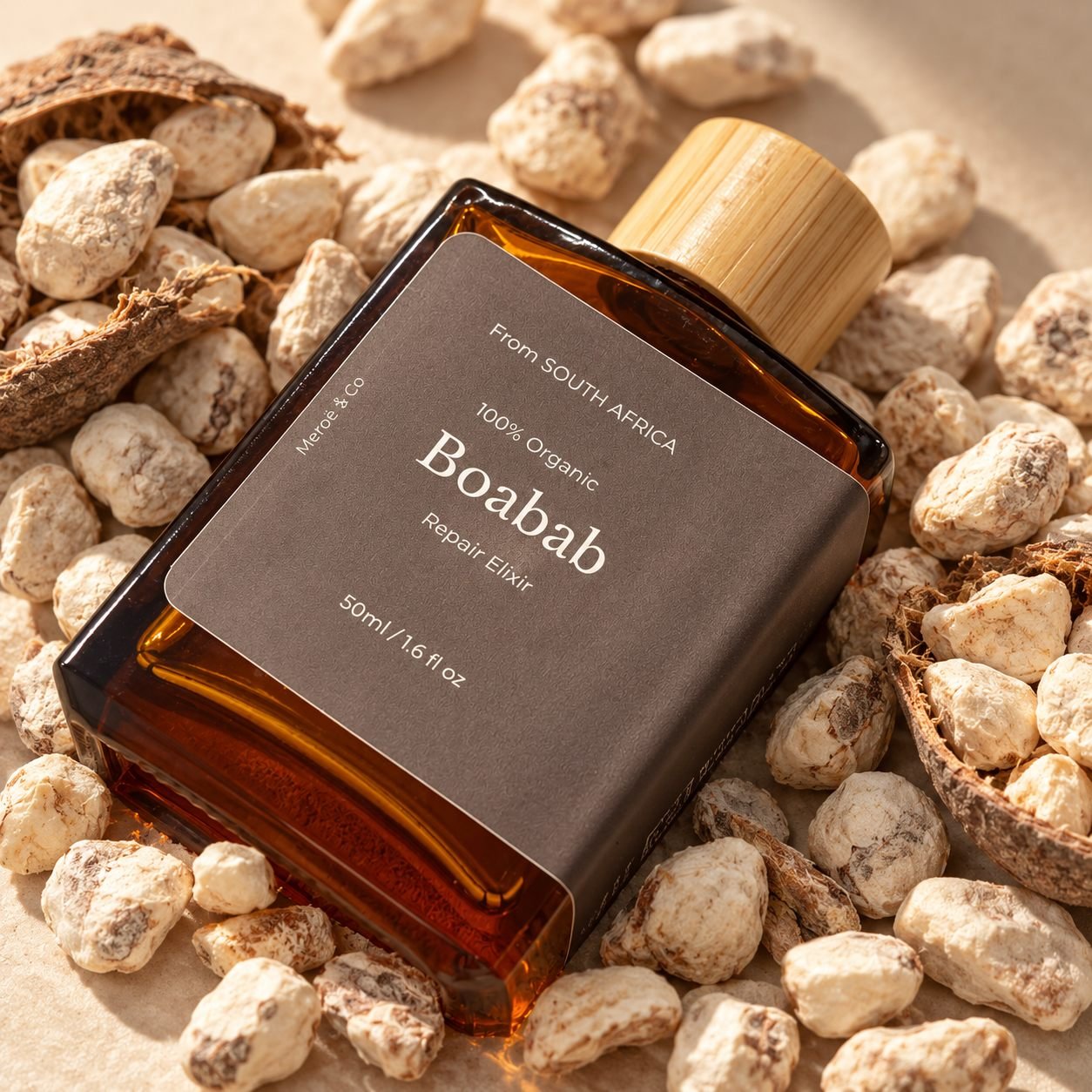
Baobab, the tree of life
Some baobabs have stood for centuries. Their seeds give a generous, comforting oil.
Read the article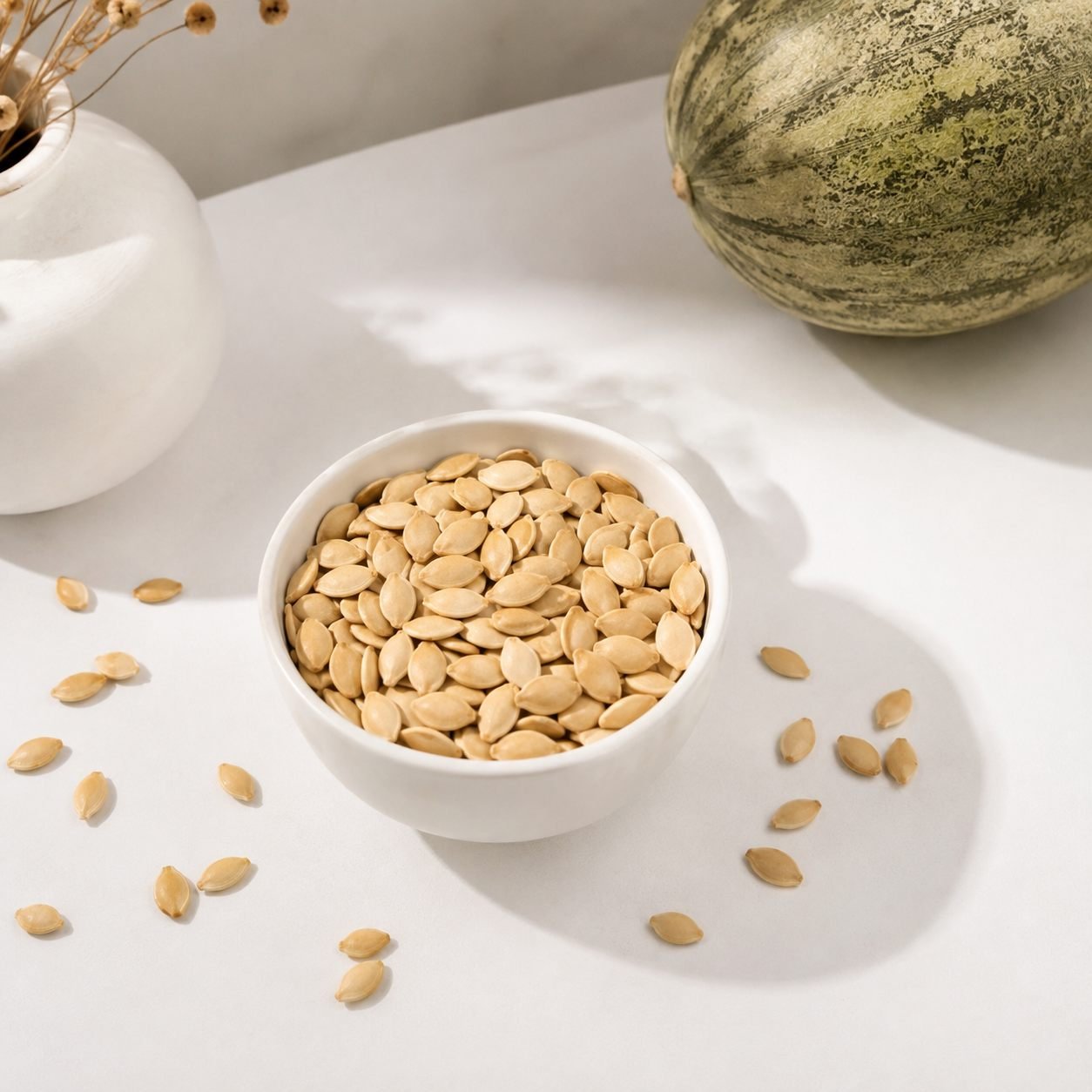
Kalahari melon, a desert survivor
A wild melon that thrives where little else does, and a light oil that feels almost weightless.
Read the article